
BREXIT
2003-2005
The United Kingdom voted in 2016 to withdraw from or exit the European Union, and this formally happened on January 31, 2020. In a referendum held on June 23, 2016. A slight majority, 52 percent voted to leave the EU. The U.K. was the first and so far only country to do so.
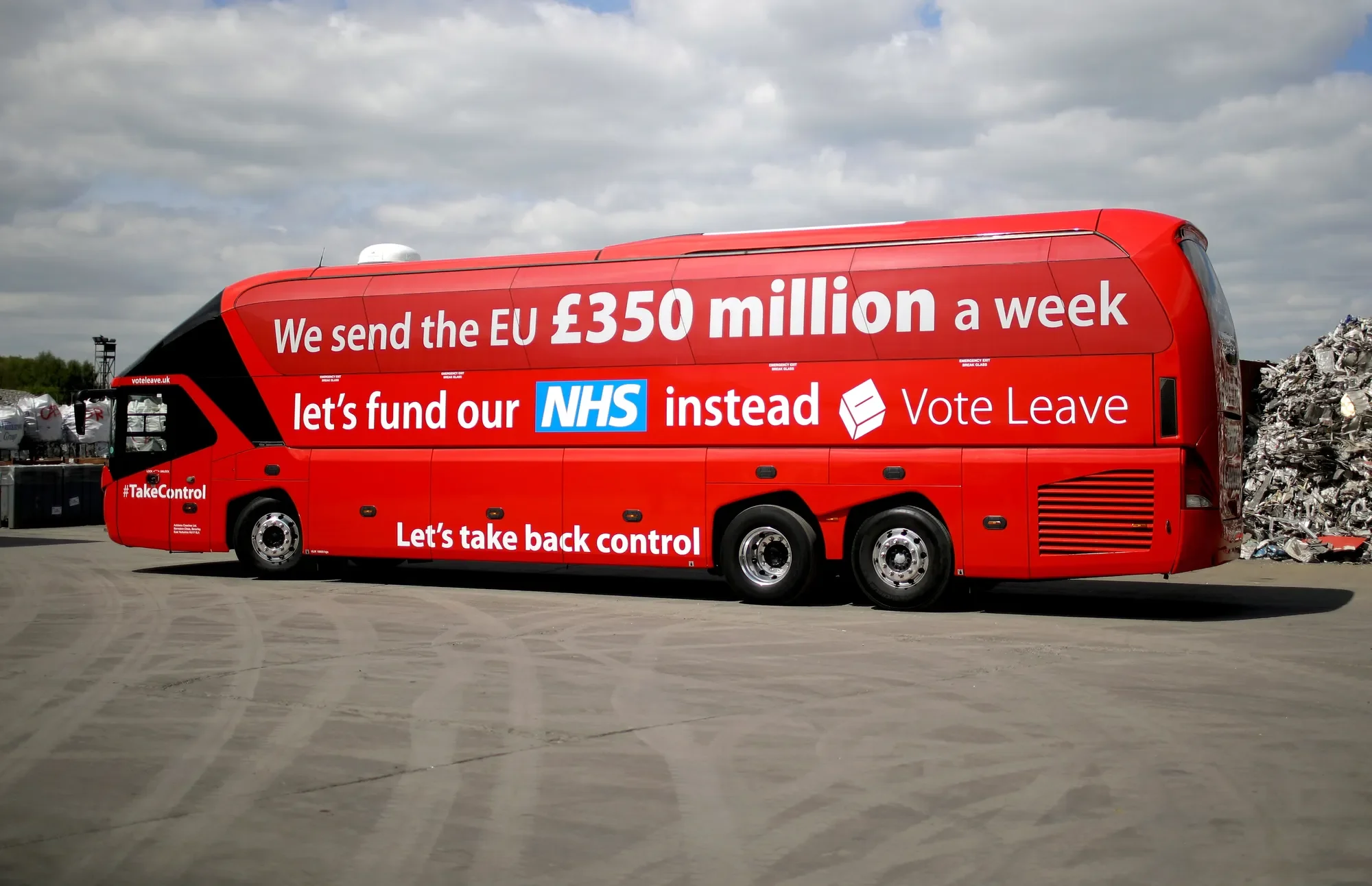
The pro-Brexit slogan “Take Back Control" captivated the nation frustrated by stagnant wages and deteriorating public services. Better control over immigration and no more tiresome EU regulations promised to boost economic growth. Without being tied to the EU, the UK could strike improved global trade deals.
Contrary to the promises, businesses faced much more bureaucracy and the UK lost its influence in Europe. Paradoxically, overall migration levels increased significantly, especially from outside the EU. Brexit became the failure of the century.
Brexit is a colossal financial failure for the UK. Multinational companies, financial institutions and thousands of jobs have or are moving out of the country. Banks are moving their offices and more than €1 trillion (that’s 12 zeros!) in assets out of the UK. By April 2019 Brexit had cost the UK economy € 75 billion (9 zeros), it triggered a decline of the British pound, increased inflation, eroded household spending power and led to weaker exports.
British actor Hugh Grant summarized the misadventure:
“Brexit was a fantastic example of a nation shooting itself full in the face.”
Additional info:
Reuters - Brexit 'disaster' cost London 40,000 finance jobs
The Guardian - Brexit has been a resounding disaster
The London Economic - Support for Brexit drops just 11% seeing it as a success